
Women’s
Hormone Health
PRACTITIONER Program Curriculum
A Mentorship & Training Program for Health Practitioners and Coaches
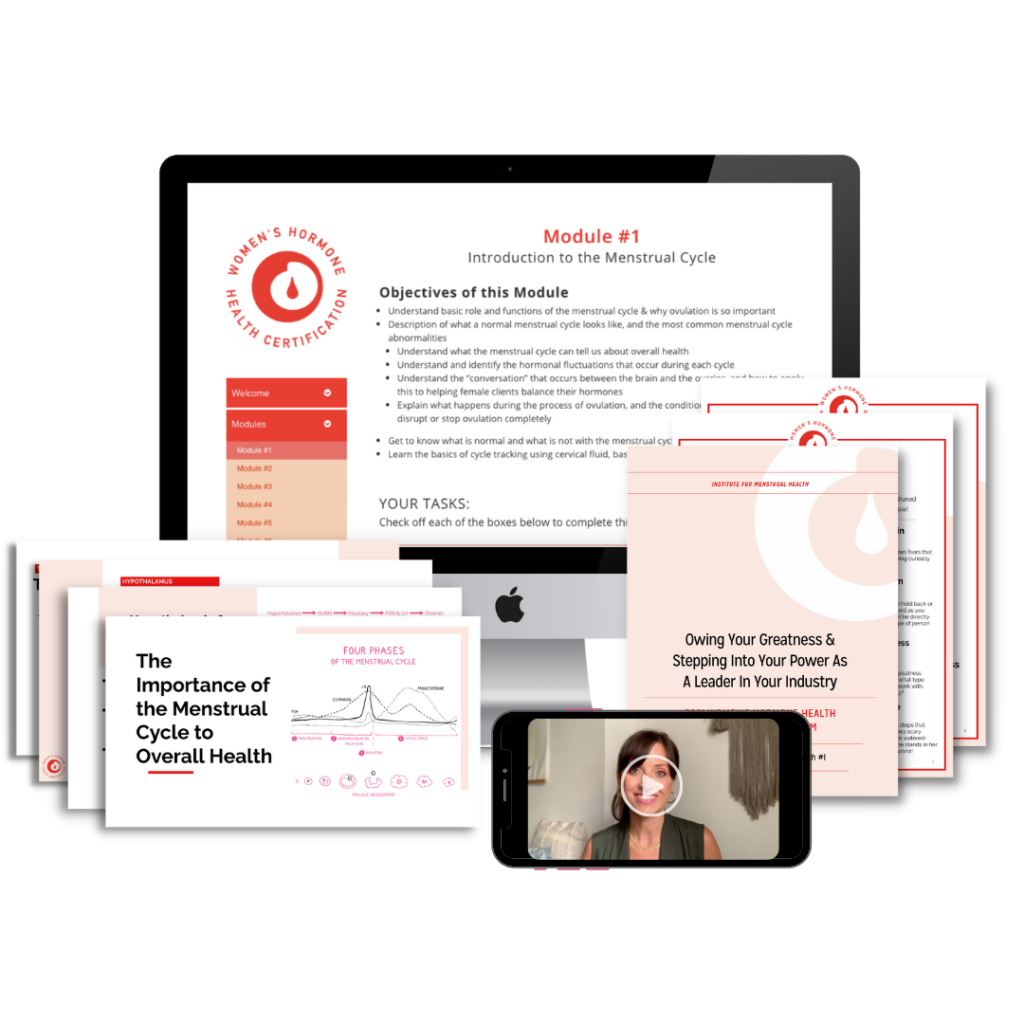
The Women’s Hormone Health Program is an 8-month practitioner training program designed to transform students into more knowledgeable and confident coaches and practitioners.
The Women’s Hormone Health Program curriculum has been carefully designed to prepare practitioners to best serve their clients. It covers the foundations of women’s hormone health and menstrual cycle theory, case studies and practical application of the students’ skills, and specific condition-related protocols, along with very important mindset shifts and confidence building to help students create a thriving women’s health practice.
The program is part hormone health/cycle training, part mastermind, part mentorship.
How Is The Course Delivered?
12 Program Modules
The program contains 12 modules, each containing 3-6 video lectures (each 15-30 minutes long), handouts, and additional resources, which all include evidence-based content with links to all research studies and references cited (there are 100’s of studies that have been referenced).
Condition-Based Protocols
Throughout the program there are protocols for the foundational aspects of health like the gut, stress and liver detoxification, along with hormonal imbalances like high estrogen and low progesterone, and more!
Content Teaching & Q&A Calls
Our Content Teaching and Q&A calls are designed to deepen your understanding of the program material and help you apply it with confidence. Each session builds on the core modules, offering additional insights, practical examples, and real-world context to ensure you fully grasp the concepts.
After the teaching portion, we’ll open the floor for live Q&A, giving you the chance to ask questions, clarify challenging topics, and get direct support as you integrate what you’re learning. These calls are an essential part of building your knowledge step by step, and leaving you feeling confident in your ability to use it with clients.
Content Teaching Call Recordings
During the program you'll have access to 9 Content Teaching Recordings where you will review each of the modules, discuss specific conditions and protocols as well as hormone testing to broaden your exposure to the most common conditions.
Client Case Study Calls
Our Client Case Study calls give you a front-row seat to real-world application of the tools and strategies taught in the program. During these sessions, we walk through actual client scenarios - from intake to follow-up - so you can see how to apply what you’re learning in practice.
These calls are designed to help you bridge the gap between theory and practice, build confidence in your client work, and better understand how to adapt protocols to individual needs. We’ll cover what health challenges each person was experiencing, their symptoms, what interventions we used and their results.
Client Case Study Calls & Recordings
Each month you'll have access to Client Case Study Calls or Recordings where you will do an in-depth review of 3 individual cases. We’ll cover what health challenges each person was experiencing, their symptoms, what interventions we used and their results. These are interactive calls that will help you understand best practices for one on one clients and how to apply all of the content you’re learning in the program to REAL LIFE client work.
And that's just the start ...
SEMESTER 1
MODULE 1
Introduction to the Menstrual Cycle
- Understand the role and functions of the menstrual cycle & the importance of ovulation
- Identify what a normal menstrual cycle looks like, and the most common menstrual cycle abnormalities
- Understand what the menstrual cycle can tell us about someone’s overall health
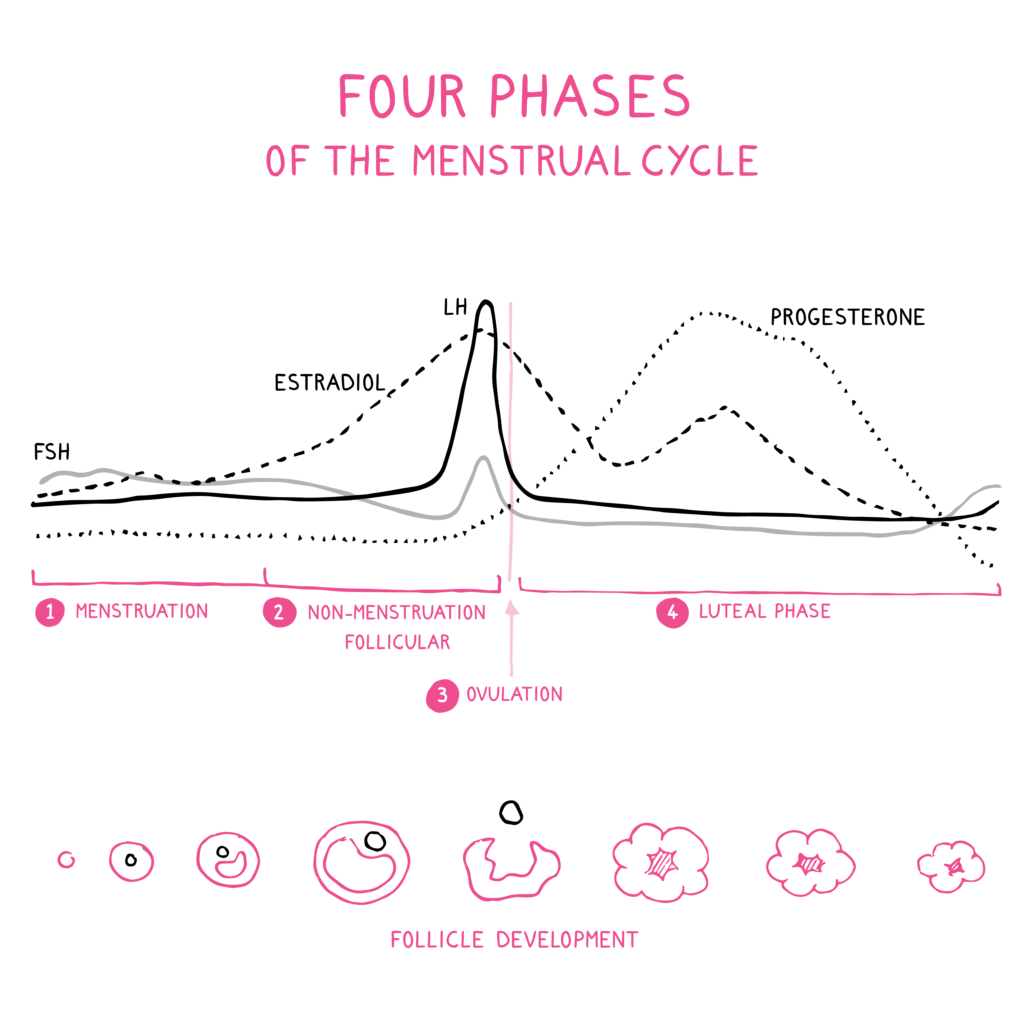
- Understand and identify the hormonal fluctuations that occur during each cycle
- Understand the “conversation” that occurs between the brain and the ovaries, and how to apply this knowledge to help clients balance their hormones
- Explain what happens during the ovulatory process, and understand the conditions or problems that can disrupt or stop ovulation
- Recognize what’s normal vs. abnormal in the menstrual cycle.
- Learn the basics of cycle tracking using cervical fluid, basal temperature (BBT) and cervical position
Lecture 1: Introduction to the Menstrual Cycle – Basic Role and Function
Lecture 2: The Four Phases of the Menstrual Cycle and the Hormonal Fluctuations that Drive the Phases
Lecture 3: What is a Normal Menstrual Cycle?
Lecture 4: Cycle Tracking 101
Handout: Menstrual Cycle Tracking 101
Handout: Temperature & Pulse Tracking
Handout: Living in Harmony with Your Cycle
Client Template: Paper Cycle Tracking Chart (In both Fahrenheit and Celsius)
Resources: Cycle Tracking Devices
Resources: Certified Fertility Awareness Educators
MODULE 2
Menstruation Through The Life Cycle
- Understand the hormonal changes that occur from puberty through perimenopause
- Recognize what’s normal vs. not normal in puberty and teenage periods
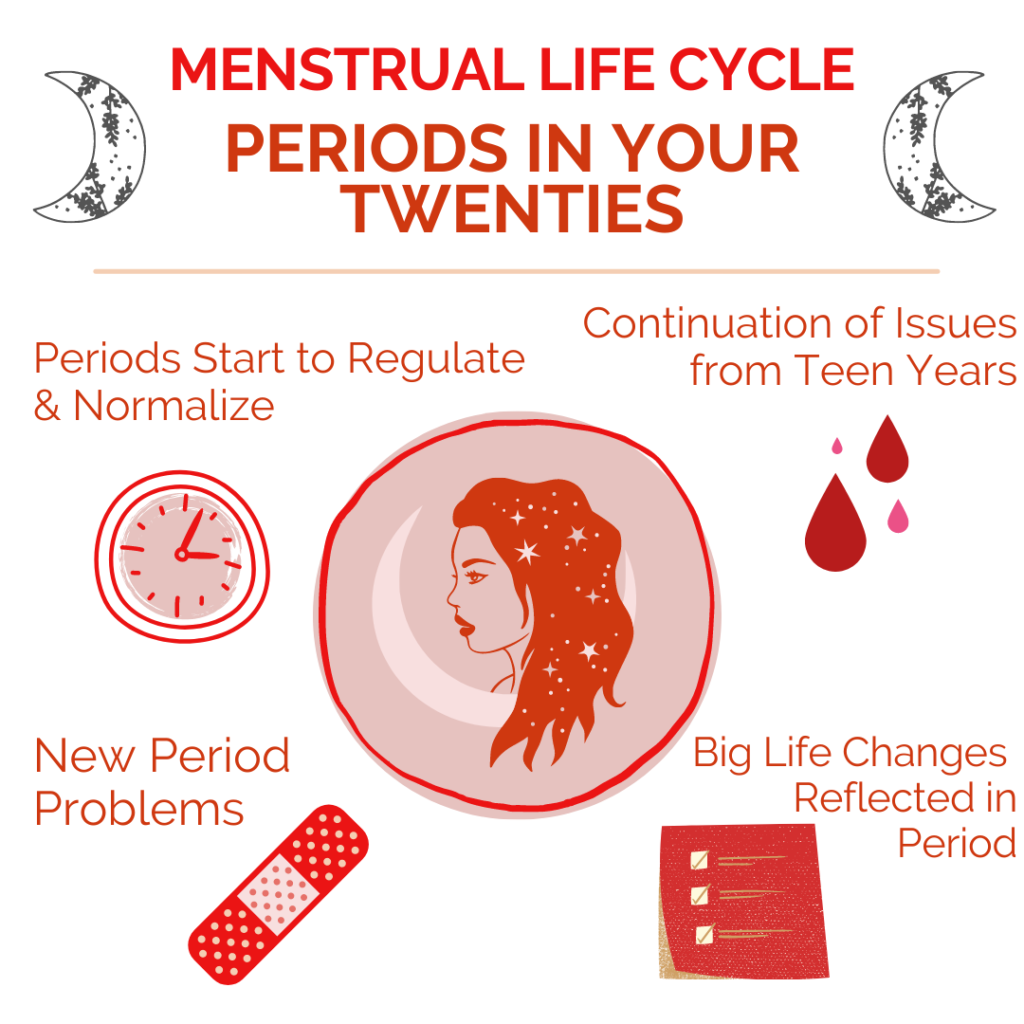
- Identify how the menstrual cycle shifts from the 20s through the 40s
- Discuss the effects of pregnancy on hormones and cycles
- Understand hormonal transitions in the mid-late 40s before menopause
- Learn why continuous hormonal birth control is not a sustainable solution at any stage in the menstrual life cycle
Lecture 1: Puberty Through the 30s
Lecture 2: Perimenopause & Menopause
Resources: Recommendations for Puberty/Teens
Resources: Recommendations for Perimenopause & Menopause
MODULE 3
The Endocrine System & Hormones 101
- Learn the basic role and functions of the endocrine system
- Understand the function of other organs and their interconnection with the endocrine system
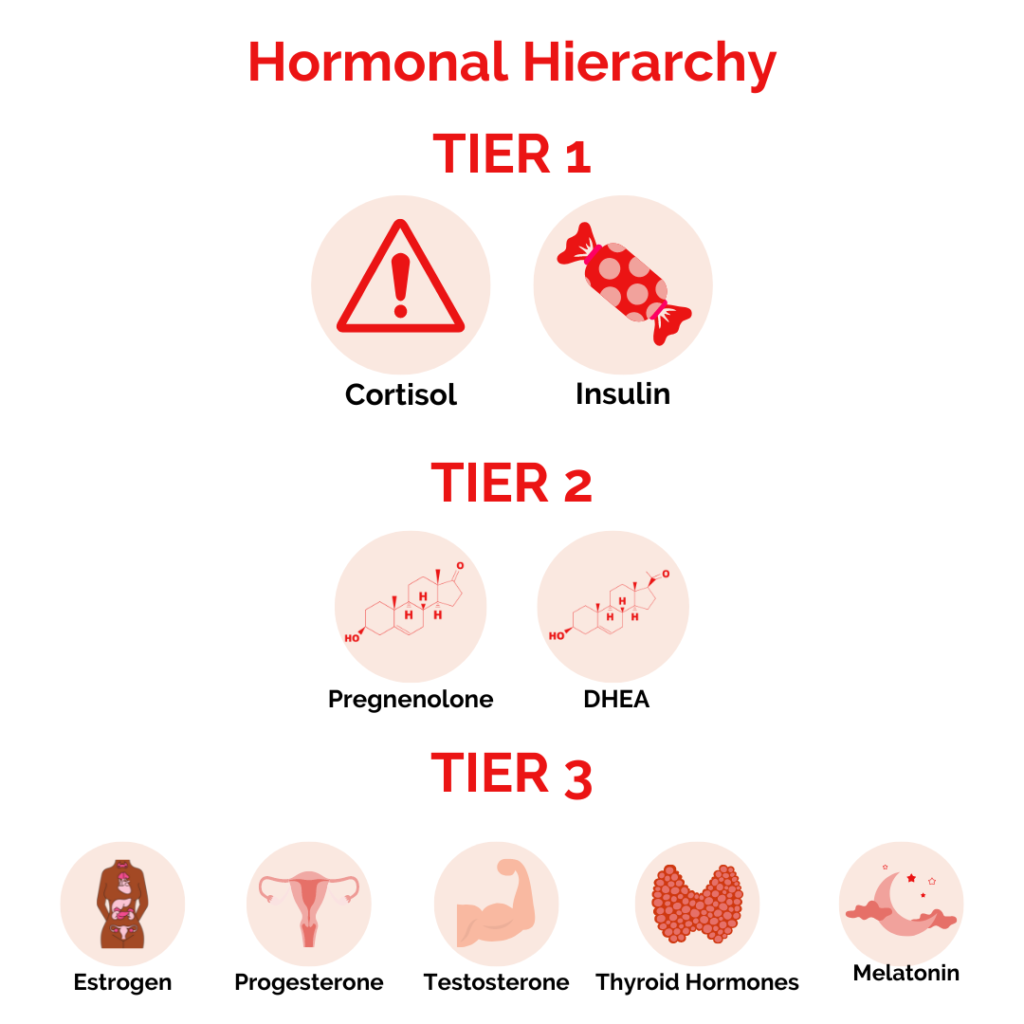
- Get to know the key hormones and their functions
- Identify the 8 most common hormone imbalances
- Recognize the signs, symptoms and conditions related to each of these hormonal imbalances
Lecture 1: The Endocrine System
Lecture 2: The Main Hormones & Their Roles in the Body
Lecture 3: The Most Common Hormone Imbalances in Women & How to Identify Them
Handout: Steroid Hormone Cascade
MODULE 4
Female Anatomy & Ovarian Function
- Identify the basic parts of the external and internal female anatomy
- Understand the function of the external and internal female organs
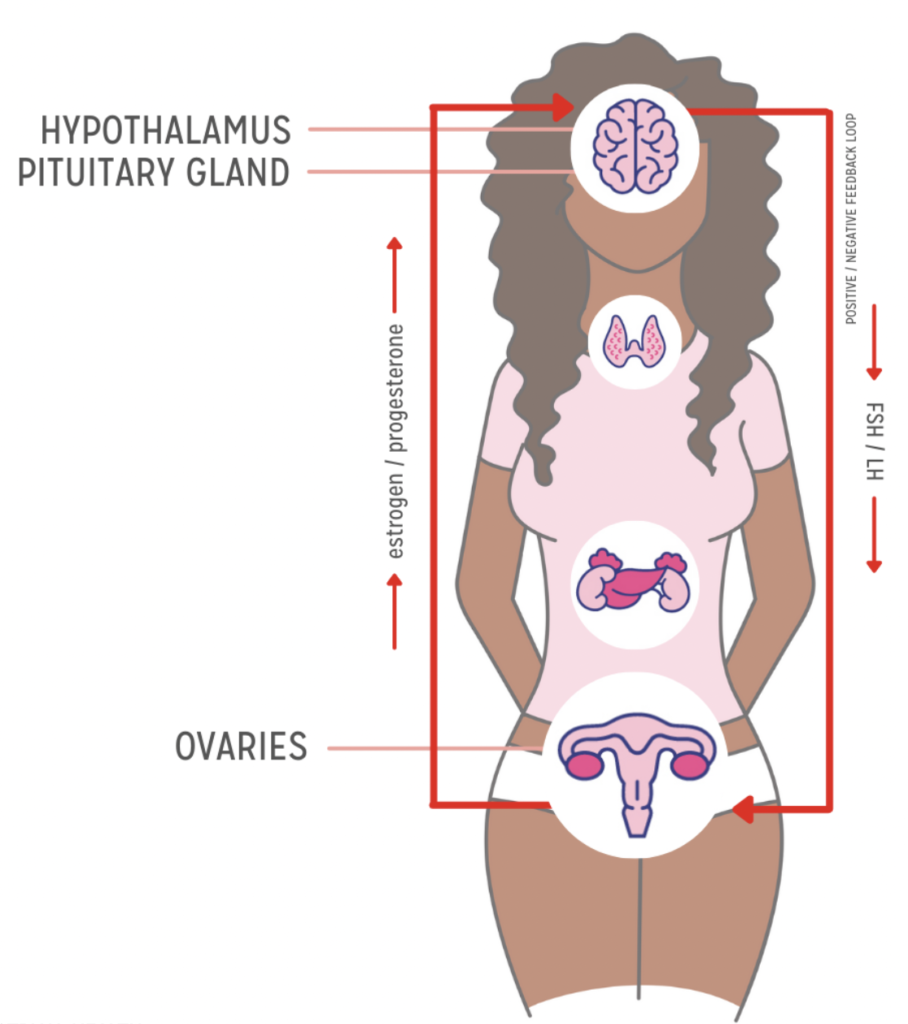
- Understand the different axes in the body and how they interconnect with the endocrine system
- Learn about ovarian mitochondria and their role in ovarian function
- Explore the connection between mitochondria and conditions such as endometriosis, PCOS, and primary ovarian insufficiency
Lecture 1: Female Anatomy: External Organs
Lecture 2: Female Anatomy: Internal Organs
Lecture 3: Ovarian Dysfunction & Abnormal Menstrual Cycle
Handout: The Axes of the Endocrine System and Their Feedback Loops
Resources: Pelvic Pain/Pelvic Therapy Specialists
SEMESTER 2
MODULE 5
The Most Common Conditions Associated with Hormone Imbalance
- Identify and describe the most common conditions associated with women’s health and endocrinology, including:
- Endometriosis
- Polycystic Ovary Syndrome (PCOS)
- Adenomyosis
- Dysmenorrhea
- Amenorrhea
- Premenstrual Syndrome (PMS)
- Premenstrual Dysphoric Disorder (PMDD)
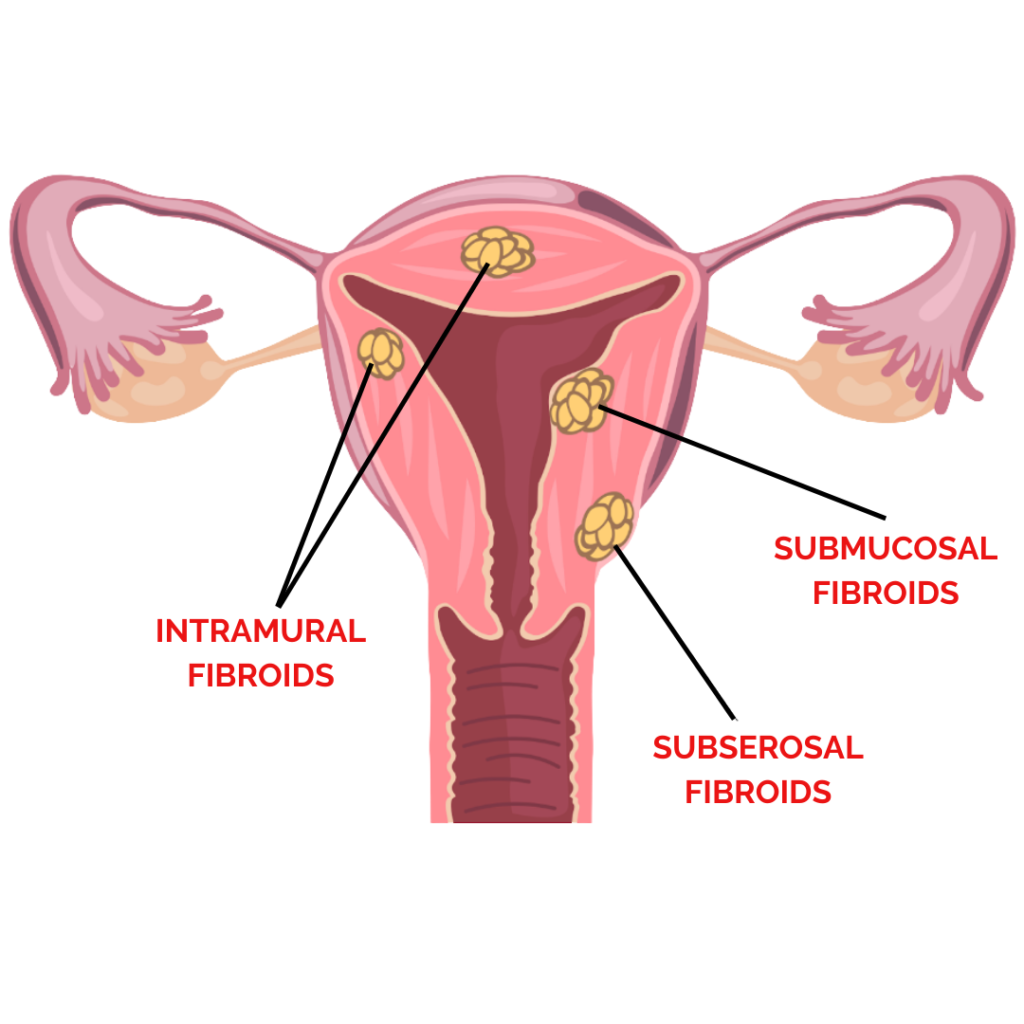
- Uterine Fibroids
- Explain the underlying causes of these conditions and the drivers of symptoms
- Recognize the symptoms and presentation of these common conditions
Lecture 1: The Most Common Conditions Associated with Hormone Imbalance Part 1
Lecture 2: The Most Common Conditions Associated with Hormone Imbalance Part 2
Lecture 3: The Most Common Conditions Associated with Hormone Imbalance Part 3
MODULE 6
How Food affects Hormones & How to Eat for Optimal Hormone Health
- Understand the importance of individualized nutrition to support proper endocrine system function
- Explain how food quality–including organic, pasture-raised, and sustainably sourced options–impacts hormonal and overall health
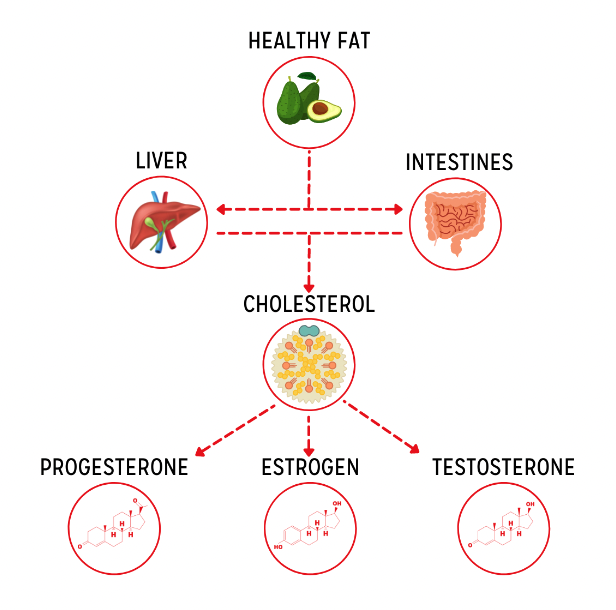
- Describe the essential roles of the three macronutrients (fat, protein, and carbohydrates) in hormone production and regulation
- Explore how different macronutrient ratios can influence hormone balance and metabolic health
- Evaluate the benefits and limitations of plant-based proteins within a hormone-supportive diet
- Learn how to combine macronutrients in balanced meals to support stable blood sugar and optimal hormonal function
- Understand how micronutrients (vitamins, minerals, and trace elements) influence endocrine health
- Describe the role of key vitamins in metabolic pathways, hormone synthesis, and overall wellbeing
- Explain how minerals and trace elements contribute to hormone production, signaling, and detoxification
Lecture 1: The Impact of Fat on Hormones and Overall Health
Lecture 2: The Impact of Carbohydrates on Hormones and Overall Health
Lecture 3: The Impact of Protein on Hormones and Overall Health
Lecture 4: How to Combine Protein, Fat and Carbohydrates
Lecture 5: The Micronutrients Part 1 – Vitamins
Lecture 6: The Micronutrients Part 2 – Minerals & Trace Elements
Handout: Five Popular Diets
Handout: Macronutrients Made Easy
Handout: Diet & Lifestyle Guidelines
Resources: Protein/Sustainable Agriculture
Resources: Seed Oils
MODULE 7
Blood Sugar, Insulin and Your hormones
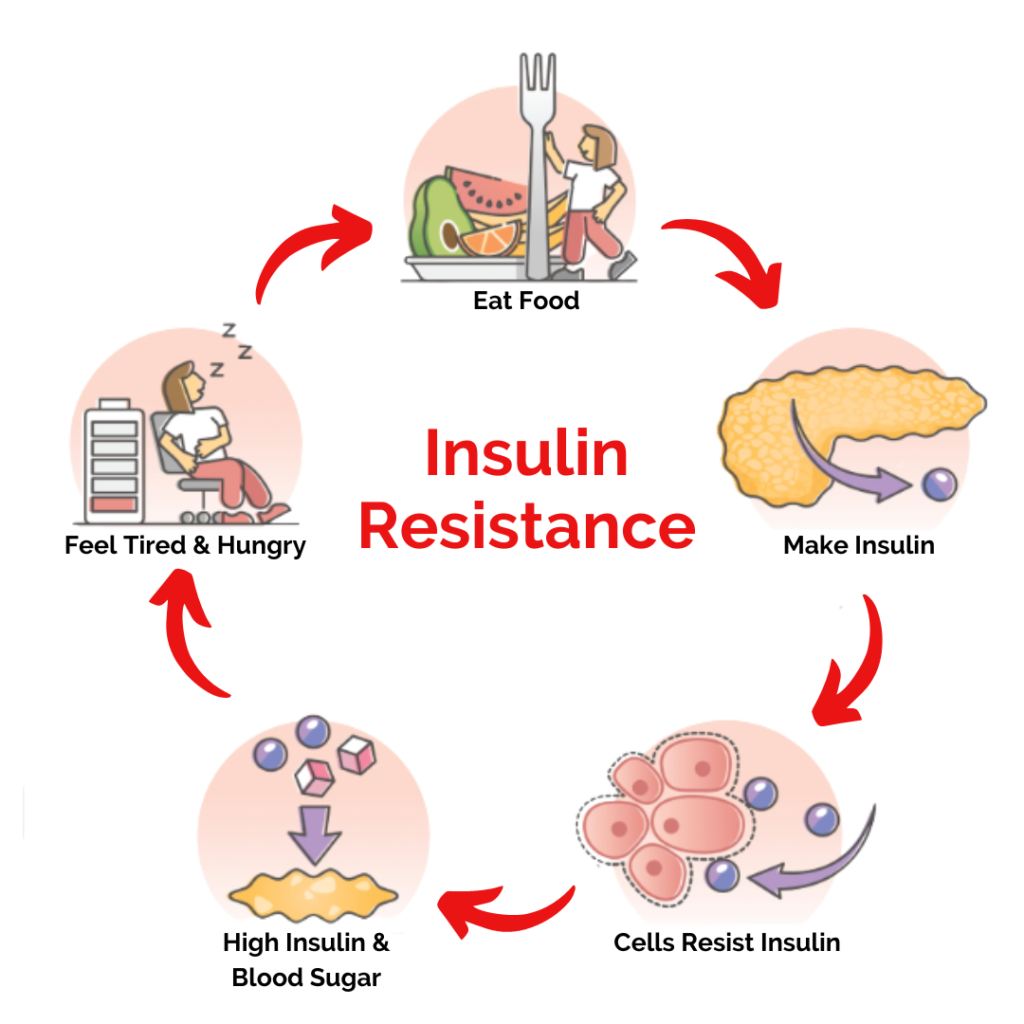
- Explain the roles of glucose and insulin in the body and why they matter for metabolic and hormonal health
- Describe how the blood sugar regulation system functions under normal conditions
- Understand the progression from stable blood sugar to insulin resistance, prediabetes, metabolic syndrome, and then diabetes
- Identify the major contributors to insulin resistance, including:
- Gut health imbalances and chronic inflammation
- Excess adiposity and obesity
- Chronic stress and dysregulated cortisol
- Lack of adequate sleep
- Environmental toxins and endocrine disruptors
- Describe the relationship between insulin and key sex hormones (estrogen, progesterone, testosterone)
- Explain how blood sugar imbalances affect the menstrual cycle, ovulation, premenstrual mood changes and overall hormone production
- Understand how menstrual cycle phases (especially the luteal phase) influence glucose tolerance and insulin sensitivity
- Identify dietary patterns and specific nutrients that support blood sugar stability
- Describe evidence-based supplements commonly used to improve insulin sensitivity and metabolic balance
- Use the blood sugar testing protocol to guide clients in checking pre- and post-meal glucose and interpreting their personal responses to foods
Lecture 1: Blood Sugar & Insulin 101
Lecture 2: Causes of Blood Sugar Dysregulation & Insulin Resistance
Lecture 3: Blood Sugar, Insulin and Hormonal Health & The Menstrual Cycle
Lecture 4: Blood Sugar Testing Protocol & Blood Sugar Balancing Solutions
Handout: Blood Sugar Testing Guide
Client Template: Blood Sugar Recording Chart (Downloadable PDF and Spreadsheet)
Resources: Blood Sugar Testing Devices
MODULE 8
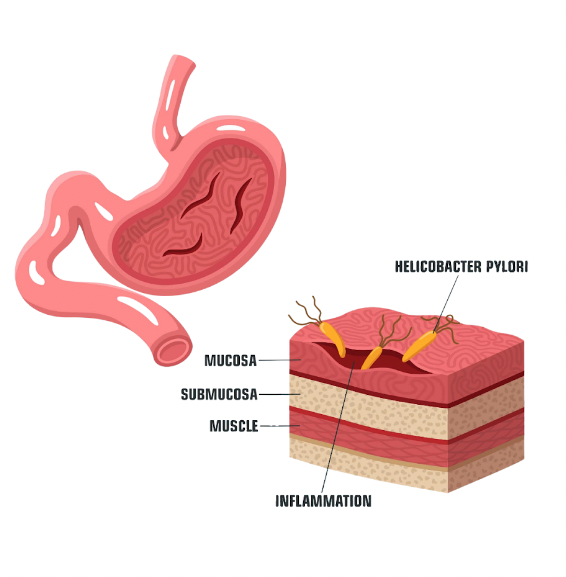
Gut Health & It's Effect on Hormone Health
- Identify the major organs of the gastrointestinal tract and explain the role each plays in digestion, absorption, and overall gut function
- Understand how dysfunction at different points in the digestive tract can contribute to hormonal imbalances
- Gut-Related Conditions: Part 1 (Upper GI & Microbiome)
- Understand the critical role of stomach acid in digestion
- Gut-Related Conditions: Part 2 (Functional & Inflammatory Disorders). Identify common gut conditions that disrupt hormonal balance, including:
- Small Intestinal Bacterial Overgrowth (SIBO)
- Leaky gut (increased intestinal permeability)
- Histamine intolerance and Mast Cell Activation Syndrome (MCAS)
- SIFO (yeast, candida, or mold overgrowth)
- Celiac disease
- IBS (Irritable Bowel Syndrome)
- IBD (Inflammatory Bowel Diseases)
- Fatty liver disease
- Gut-hormone-brain connection
- Gut Health Protocol Foundations
Lecture 1: Introduction to the Gut’s Anatomy and Physiology
Lecture 2: Most Common Gut Conditions Part 1
Lecture 3: Most Common Gut Conditions Part 2
Lecture 4: The Gut’s Connection to the Neuroendocrine System and Hormones
Handout: The Elimination Diet
Resources: Gut Health Testing Options
SEMESTER 3
MODULE 9
Detoxification - Liver & Gallbladder Function
- Explain the roles of the liver and gallbladder in detoxification, hormone metabolism, and overall endocrine health
- Understand how effective detoxification supports menstrual cycle health, fertility, and hormonal balance
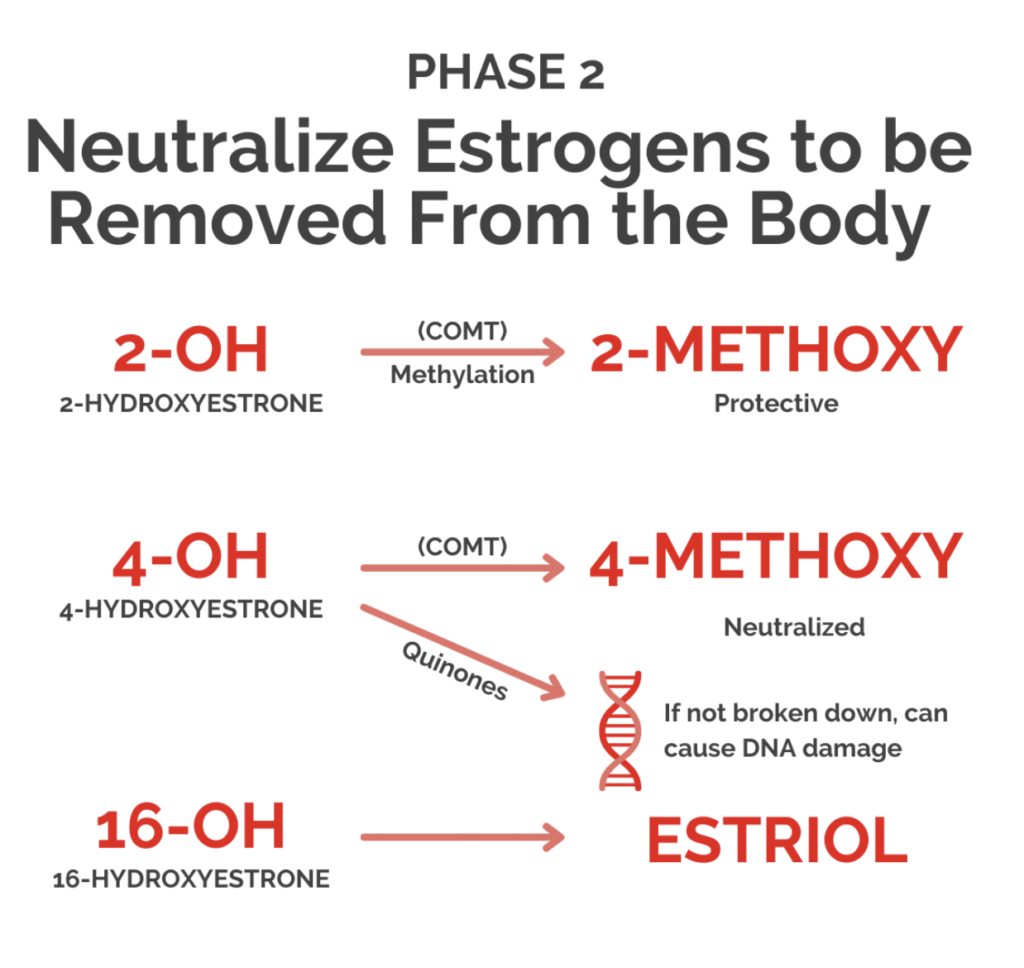
- Describe the three phases of liver detoxification (Phase I, Phase II, and Phase III) and their distinct functions
- Understand how estrogen and other hormones are processed and eliminated through each phase of detoxification
- Identify key factors that disrupt liver and gallbladder function
- Identify common signs and symptoms of liver and gallbladder dysfunction.
- Explain how dysfunction at different stages of detoxification can contribute to hormone-related symptoms and conditions
- Understand the impact of environmental toxins and xenoestrogens on the endocrine system, menstrual cycle, and fertility
- Identify common genetic SNPs that may influence detoxification capacity and hormone metabolism
- Learn foundational strategies to support healthy liver detoxification through diet, lifestyle, environmental changes, supplements, and herbs.
Lecture 1: The Body’s Detoxification System
Lecture 2: Problems with the Body’s Detoxification System
Lecture 3: Environmental Toxins and Endocrine Disruptors
Handout: How to Make a Castor Oil Pack
Resources: Genetics Testing
MODULE 10
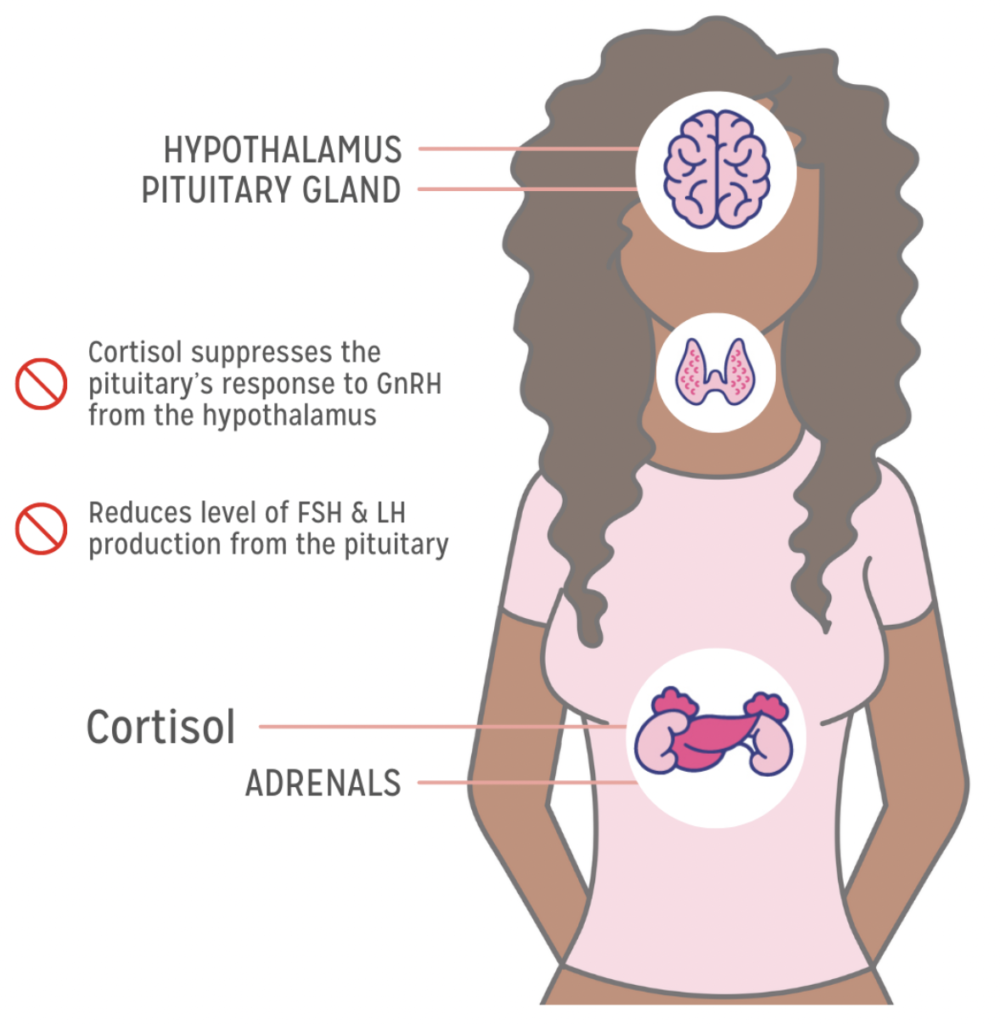
HPA Axis & Adrenals - The Connection to Overall Health & Menstrual Cycles
- Describe the anatomy and physiology of the body’s stress response system
- Identify the hormones and neurochemicals produced by the adrenal glands, including cortisol, cortisone, DHEA, epinephrine, norepinephrine, and dopamine
- Explain the role of the adrenal glands and the HPA axis in maintaining a healthy menstrual cycle and supporting fertility
- Understand how chronic stress and HPA axis dysfunction impact the brain and nervous system
- Describe how HPA axis dysfunction affects key hormones, including;
- Cortisol, DHEA, Melatonin, Estrogen, Progesterone, Testosterone, and Thyroid hormone
- Recognize common signs and patterns associated with stress-related hormonal disruption
- Identify lifestyle practices that support stress regulation and nervous system resilience
- Understand the role of diet, supplements, and herbal support in HPA axis regulation and recovery
Lecture 1: Anatomy and Physiology of the Adrenal System
Lecture 2: The Body’s Stress Response & HPA Axis Abnormalities
Lecture 3: The Effect of HPA Abnormalities on the Menstrual Cycle
Handout: Adrenal Cocktails
Handout: Short & Long-Term Stress Mitigation Checklist
Handout: Effective Ways to Support the Vagus Nerve and Improve Vagal Tone
Handout: How Estrogen & Progesterone Contribute to Stress Resilience
MODULE 11
The Thyroid's Connection to the Menstrual Cycle & Fertility
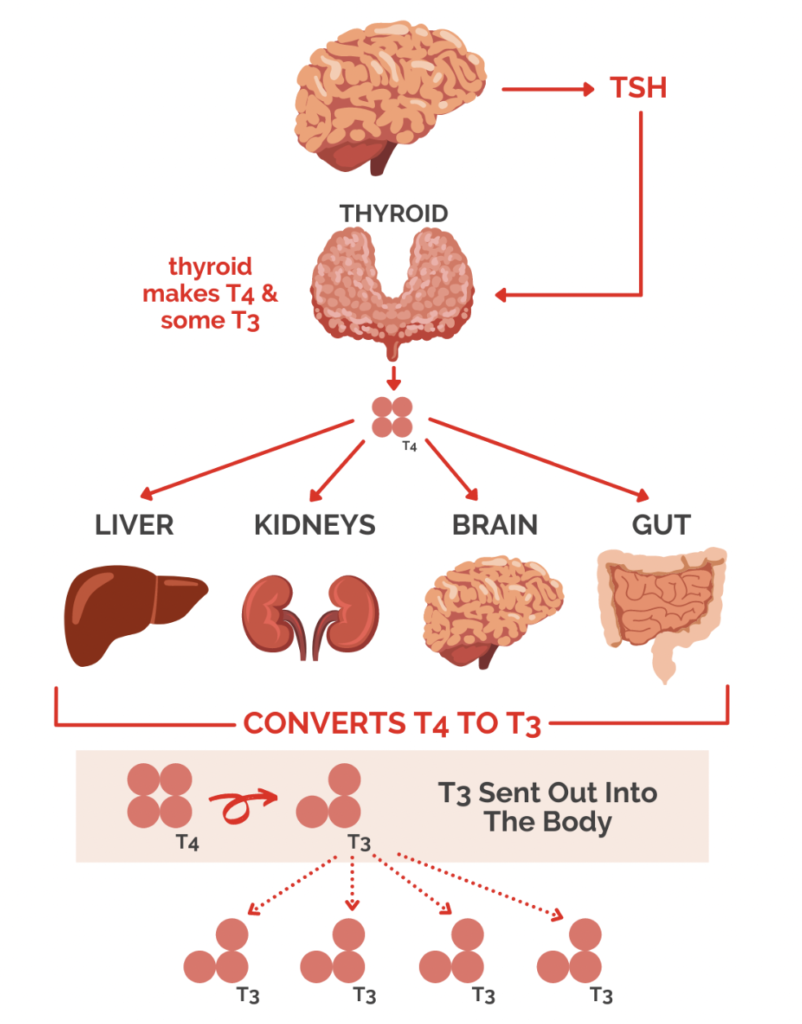
- Describe the anatomy and physiology of the thyroid gland and its role in metabolism, energy production, and overall hormonal balance
- Explain the function of the Hypothalamic-Pituitary-Thyroid (HPT) axis and how it interacts with the HPA and HPO axes
- Identify the major thyroid conditions, including hypothyroidism and hyperthyroidism, and understand their common causes
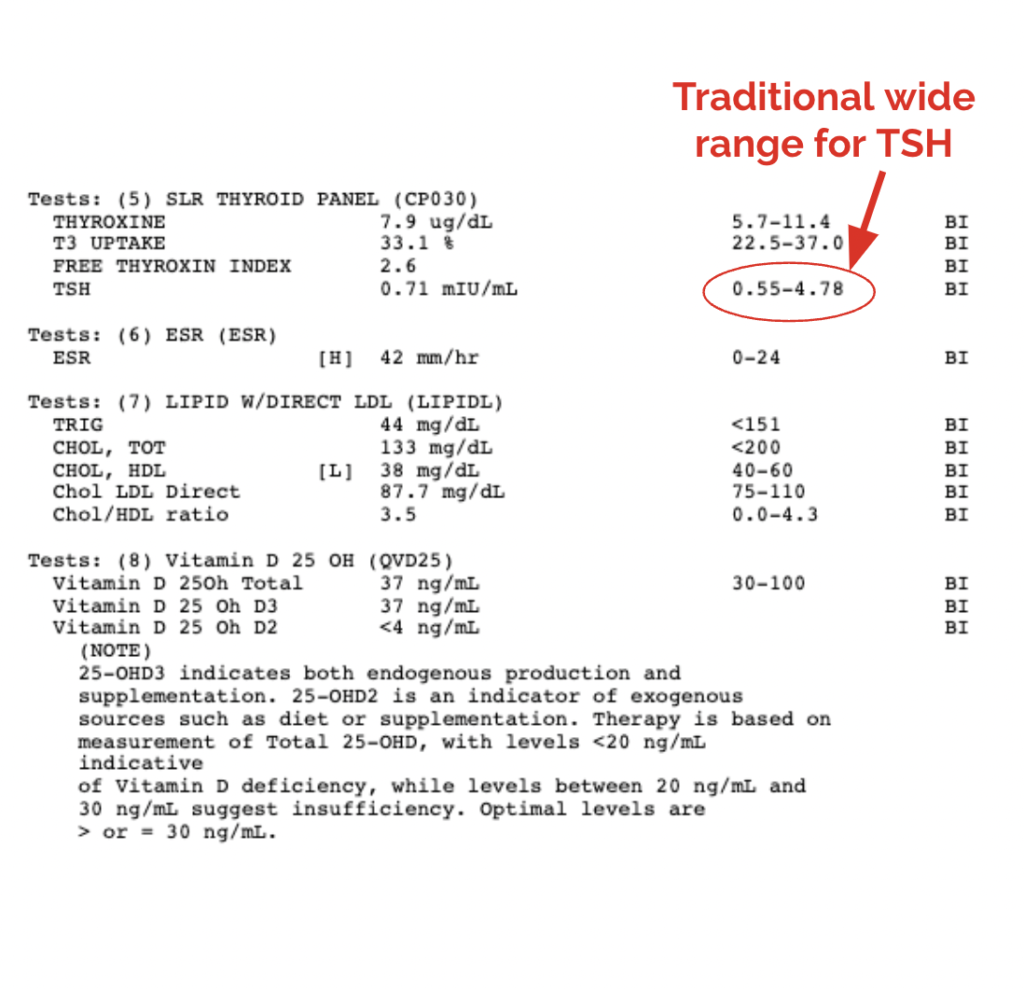
- Recognize less obvious thyroid patterns that may not appear on standard lab testing but can still contribute to symptoms
- Understand why clients may experience thyroid-related symptoms despite “normal” lab results
- Explain the role of thyroid hormones in supporting a healthy menstrual cycle and optimal fertility
- Describe how thyroid hormones interact with estrogen, progesterone, and other sex hormones
- Understand how fluctuations in the menstrual cycle and sex hormones can influence thyroid function
- Identify the impact of thyroid dysfunction on the brain, mood, and nervous system
- Recognize common signs and symptom patterns associated with thyroid imbalance
- Understand foundational strategies to support healthy thyroid function, including lifestyle, nutrition, and targeted supplementation
Lecture 1: Introduction to the Thyroid Gland
Lecture 2: Effects of Thyroid Disease on Menstruation and Reproduction
Lecture 3: Testing and Diagnosis of Thyroid Disease
MODULE 12
Lab Testing & Supplements Overview
- Understand the difference between conventional reference ranges and optimal ranges
- Identify the most commonly used lab tests in women’s health and when they are appropriate to recommend
- Recognize the foundational lab work that can help uncover root causes of common hormone and menstrual cycle issues
- Understand the different types of lab testing methods (blood, urine, stool, saliva), including the benefits and limitations of each
- Explore the various testing options available (conventional vs functional, practitioner-ordered vs direct-to-consumer)
- Develop confidence in evaluating supplement and herbal quality, including how to choose safe and effective products
- Learn how to select targeted supplement and herbal strategies based on common clinical presentations, including:
- Stress-related conditions
- Fertility support
- Post–birth control recovery
- Common menstrual cycle concerns
- Begin integrating lab data, symptoms, and client history to support more personalized and effective recommendations
Lecture 1: Lab Testing Part 1: Introduction to Basic Lab Testing
Lecture 2: Lab Testing Part 2: Advanced Lab Testing
Lecture 3: Choosing Quality Supplements
Handout: Optimal Levels for Lab Values
Handout: Recommended Lab Tests for Specific Conditions
Handout: Recommended Supplement Dosages
Resources: Drug/Nutrient Interactions
Resources: Testing Providers
FREE ACCESS
Considering the Certification Program? Preview Two of Our Flagship Lectures!
Opt-in to receive an exclusive sneak peak into the Women’s Hormone Health Certification Program with access to two of our free lectures!
FREE ACCESS
Considering the Certification Program? Get a Behind-the-Scenes Look Before You Decide!
Join the Institute for Menstrual Health’s Founder, Nicole Jardim, for an honest walkthrough of the Women’s Hormone Health Certification Program including the curriculum, how it works in real client settings, and whether it’s the right fit for you.
In Addition to the Modules, You'll Get....
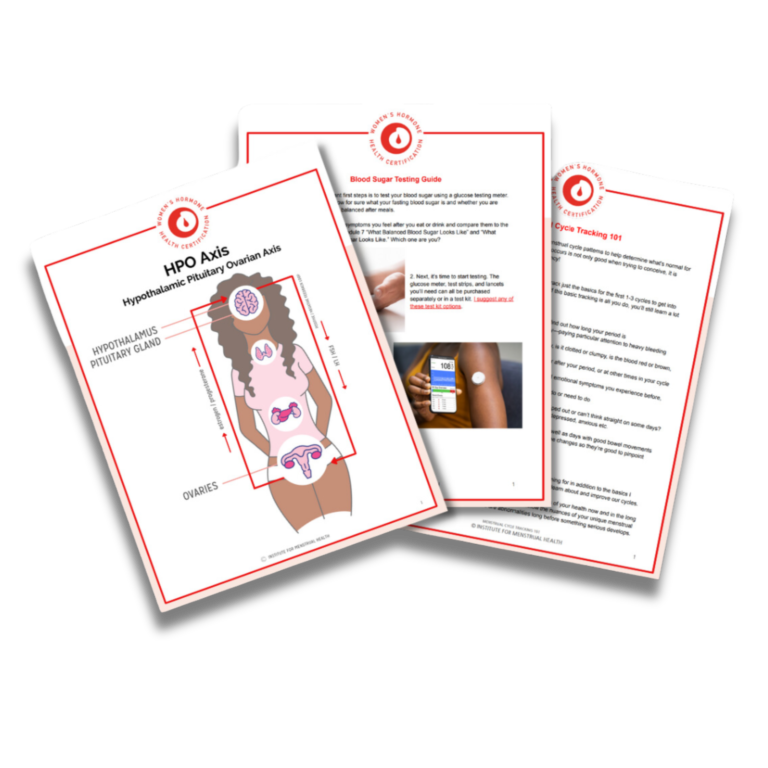
MADE FOR YOU PROTOCOLS
GRADUATE READY TO APPLY WHAT YOU'VE LEARNED TO YOUR PRACTICE/BUSINESS
Throughout the program there are protocols for the foundational aspects of health like the gut, stress and liver detoxification, along with hormonal imbalances like high estrogen and low progesterone, and more!
SOME OF THESE PROTOCOLS INCLUDE ...
Click on the title of any protocol you’re intersted in to read a description of what you’ll learn:
This protocol breaks down the different types and causes of estrogen dominance, helping your clients understand their symptoms and guiding them through foundational strategies to support ovulation, balance hormones, and optimize detoxification. With targeted food, lifestyle, and supplement support, this protocol helps restore the estrogen-progesterone harmony essential for cycle health and symptom relief.
This protocol offers a step-by-step, root-cause approach to help support natural estrogen production and restore healthy brain-ovary communication. You’ll find targeted nutrition, foundational lifestyle strategies, supplement guidance, and testing options to help identify what’s really going on and start building back hormonal resilience from the inside out.

This protocol guides you through a root-cause approach to restoring consistent ovulation and supporting robust corpus luteum function, while addressing the physical and emotional stressors that often disrupt hormone balance. You’ll find foundational diet, lifestyle, and supplement strategies to support your clients’ progesterone production naturally, plus guidance on lab testing, bioidentical progesterone use, and how to personalize care for perimenopause, postpartum, or other low-progesterone states.
This protocol is designed to help identify and address the root causes of elevated androgens—such as blood sugar dysregulation, insulin resistance, chronic stress, low progesterone, and poor gut and liver function—while restoring balance through diet, lifestyle, and targeted supplementation. Whether your client has a PCOS diagnosis or simply presents with high androgen symptoms like acne, hair thinning, irregular cycles, or unwanted weight gain, this step-by-step protocol provides a holistic, foundational approach to reducing androgen excess naturally.
From early signs of dysregulation and insulin resistance to more advanced conditions like metabolic syndrome and diabetes, this protocol offers a comprehensive approach to identifying and addressing blood sugar imbalances. You’ll receive practical tools to support clients through dietary changes, targeted supplementation, and lifestyle strategies that promote balanced glucose levels, stable energy, fewer cravings, improved sleep, and better mood regulation. With clear explanations of symptoms, evidence-based interventions, and client-centered guidance, this handout helps practitioners empower clients to take sustainable steps toward metabolic health and hormonal balance.
This protocol provides a clear framework for onboarding and working with clients through the Fix Your Period method. It walks practitioners through every stage from initial intake and trust-building consultations to goal-setting, customized recommendations, and progress tracking. With a strong emphasis on personalization, collaboration, and empowerment, this step-by-step guide helps practitioners create a safe, structured, and motivating coaching relationship. By combining foundational health assessments, tailored goal setting, and regular check-ins, this protocol ensures clients feel supported and confident as they move toward lasting hormonal balance and improved well-being.
This introductory gut healing protocol is designed to support practitioners in guiding clients through the essential first steps of restoring digestive health and improving hormonal balance. It covers five core areas: oral health, stomach acid optimization, gut lining repair, microbial support, and functional testing. With practical strategies ranging from diet and lifestyle shifts to targeted supplements, this protocol helps reduce inflammation, enhance nutrient absorption, and support a healthier gut-immune axis. Whether clients are just beginning their gut healing journey or working through chronic issues, this protocol provides a clear, approachable roadmap for strengthening the digestive system from the top down.
This protocol is designed to support the liver’s natural detoxification processes by focusing on proper sequencing starting with gut health, nutrient-dense foods, targeted supplements, and lifestyle practices that reduce toxic burden and optimize hormonal clearance. You will learn how to guide clients through all three phases of liver detoxification – gut elimination, conjugation, and toxin conversion – to safely and effectively promote estrogen metabolism, reduce inflammation, and enhance overall vitality. It also includes testing recommendations and advanced support for clients with persistent symptoms or estrogen dominance.
This protocol provides a comprehensive approach to identifying and addressing gallbladder dysfunction and low bile production, which can significantly impair fat digestion and overall digestive health. It offers a step-by-step plan that includes diet and lifestyle changes, targeted supplements, and supportive practices like castor oil packs and abdominal massage. Practitioners will learn how to support healthy bile flow, improve fat absorption, and reduce common symptoms like bloating, nausea, and indigestion. The protocol also includes guidance for those without a gallbladder, and emphasizes the importance of working alongside medical professionals, especially in cases involving gallstones or persistent symptoms.
The Thyroid Health Protocol is designed to support clients in restoring and optimizing thyroid function through testing guidance, nutritional strategies, targeted supplementation, and holistic lifestyle practices. It addresses both hypothyroid and autoimmune thyroid concerns, emphasizing the importance of foundational systems like the gut, liver, adrenals, and blood sugar balance in thyroid health. You will learn how to assess thyroid status using optimal lab ranges and basal temperature tracking, implement thyroid-friendly dietary shifts, correct key nutrient deficiencies, and apply supportive therapies like castor oil packs, red light therapy, and cold exposure.
This protocol focuses on essential lifestyle and behavior modifications to support clients recovering from HPA axis dysfunction by addressing the root causes of chronic stress and burnout. It includes practical tools for measuring stress (like HRV tracking), reducing perceived stress, improving sleep hygiene, optimizing light exposure, supporting circadian rhythms, and engaging in nervous system regulation practices. It also emphasizes the importance of pleasure, creativity, physical touch, and restorative movement for long-term healing. With a focus on consistent energy management over time, this protocol helps clients build true resilience and shift from survival mode to sustainable well-being.
This protocol offers a comprehensive guide to nutritional and herbal supplementation for clients experiencing chronic stress and/or HPA axis dysfunction. It covers foundational nutrients alongside adaptogenic herbs such that support stress resilience, energy regulation, and nervous system balance. It also includes sleep-specific supplements and herbal tinctures to improve rest and recovery. With thoughtful cautions and condition-specific recommendations, this protocol empowers practitioners to customize support based on each client’s unique stress response, helping to restore calm, energy, and hormonal equilibrium.
When addressing HPA Axis Dysfunction you can focus on different areas of one’s health. This protocol focuses on the strategic dietary and nutritional approaches that stabilize blood sugar, reduce inflammation, and nourish the adrenals and nervous system. It emphasizes the importance of regular meal timing, balanced macronutrient intake, and targeted bedtime snacks based on hormone imbalances like low estrogen, high cortisol, or insulin resistance. You will find practical guidance on meal composition, adrenal-healing nutrients, and condition-specific snack ideas to promote restful sleep, improved energy, and resilience to stress. This protocol is a foundational tool for rebuilding a healthy stress response and supporting long-term hormonal balance.
GET CERTIFIED
The Institute for Menstrual Health’s Women’s Hormone Health Certification Program participants (IMH-C) are highly trained and tested. Being certified in Women’s Hormone Health sets you apart from your colleagues and makes you more marketable in the industry.
Certification in the program ensures your clients that you have the skills-based training to focus on women’s hormone health and apply evidence-based skills in practice.
Certification allows you to proudly display your IMH-C credential on your website, email, social media platforms, office and marketing materials as well as a link to the IMH-C certification badge for your website or social media profile.
Additionally, the Women’s Hormone Health Certification Program has been approved for 36 CEs (Continuing Education Credits) through NBHWC (The National Board For Health & Wellness Coaching) for certified health coaches in the US (Provider #CEA-000505-1), and for 66 training hours through the UKIHCA (UK & International Health Coaching Associations) for the purposes of Continuing Professional Development (CPD).
By the end of this program you'll be able to:
IDENTIFY AND ANALYZE RISK FACTORS:
The WHC program equips you with the knowledge to help clients recognize patterns in their health, such as menstrual cycle irregularities or symptoms of chronic conditions like PCOS, endometriosis, or thyroid disorders. Understanding these conditions enables you to help clients seek appropriate evaluation and testing from their healthcare provider.
UNDERSTAND BIOMETRIC MEASUReMENTS:
Through education on tracking menstrual cycles and understanding the significance of basal body temperature, cervical fluid, and other indicators, you can assist clients in recognizing health patterns and help them identify markers for further investigation. This skill is essential for guiding clients in monitoring their health and seeking appropriate medical care when necessary.
INTEGRATE NUTRITION & lifestyle STRATEGIES:
The WHC program provides insights into how nutrition and lifestyle choices impact hormonal balance. You can use this knowledge to help clients partner with a registered dietitian or other qualified practitioner so they can develop personalized, sustainable strategies for achieving optimal hormonal health.
IDENTIFY environmental impactS on health:
The course covers the impact of environmental factors on hormonal health and provides guidance on how to minimize exposure to toxins. You can utilize this knowledge to empower clients in making informed lifestyle choices that align with their personal health goals.
RECOGNIZE MEDICAL RED FLAGS:
You will learn to identify abnormal symptoms and health changes (particularly associated with the menstrual cycle) that may warrant further investigation by a healthcare provider. This ensures that clients receive timely medical referrals when needed, while you remain within your scope of practice.
EMPOWER CLIENTS THROUGH EDUCATION:
The program provides a detailed understanding of the menstrual cycle, the endocrine system and hormonal fluctuations, which will enable you to offer evidence-based resources and education to your clients. You will be able to educate clients about their bodies and hormonal health, empowering them to take charge of their wellness journey. This education is fundamental for promoting long-term healthy lifestyle changes.
And so much more!


What alumni are saying about the program
Meet OUR FOUNDer & Your Instructor
NICOLE JARDIM
Nicole Jardim is a Certified Women’s Health Coach and Author of Fix Your Period: 6 Weeks to Banish Bloating, Conquer Cramps, Manage Moodiness, and Ignite Lasting Hormone Balance a life-changing step-by-step natural protocol to ignite lasting hormone balance and improve everything from PMS, period pain, and heavy periods to irregular and missing periods. She has developed education and offerings that empower women to reclaim their hormone health using a method that combines evidence-based information with simplicity and sass.
Nicole’s expertise is backed by over a decade of advanced training in women’s health, functional medicine, and nutrition. She is a graduate of the Institute for Integrative Nutrition’s Health Coach Certification Program and has completed several in-depth specialty trainings, including a year-long hormone health certification through The Gottfried Institute with Sara Gottfried, MD, and a Women’s Health and Nutrition Coaching Certification through the Integrative Women’s Health Institute. Nicole is also a certified ADAPT Functional Medicine Practitioner through the Kresser Institute and has pursued advanced trainings in gut health, functional blood chemistry analysis, and women’s physiology and menstrual cycle literacy.


Nicole is the founder of the Institute for Menstrual Health, and through its signature program the Women’s Hormone Health Certification, she teaches other health practitioners and coaches the fundamentals of hormones, menstrual cycles and fertility.
Finally, Nicole is the host of The Period Party, a top-rated podcast on Apple Podcasts, the co-author of The Happy Balance, a recipe book filled with over 80 hormone balancing recipes, and has been called on as a women’s health expert for sites such as The Guardian, Well+Good, mindbodygreen and Healthline.
Her work has impacted the lives of tens of thousands of people around the world by addressing the root cause of what’s really going on in their bodies and minds rather than treating just their symptoms. She passionately believes that the fundamentals to healing any hormone imbalance lie in an approach that addresses the unique physiology of every woman. This is essential to reclaiming and maintaining optimal health and vitality at any age.
With over 14 years of experience working with hundreds of women in both private practice and group settings, Nicole brings a deeply integrative and practical approach to menstrual and hormonal health education grounded in science, clinical application, and compassion.