The Endo Belly Protocol Practitioner Training
Navigating SIBO in Endometriosis Clients
with Jessica Duffin
FRIDAY, JUNE 5 | 9 AM - 2 PM ET
Learn how to identify, address, and manage SIBO in endometriosis - the condition affecting up to 90% of your endo clients that most practitioners are completely missing.
Registration closes June 4th!
Two definitions worth getting right
Most practitioners are familiar with endometriosis and SIBO as separate conditions. What is often missed is how commonly they overlap, and how much each one can drive the other. When a client presents with bloating, constipation, diarrhea, pelvic pain, painful periods, or infertility, it can be difficult to determine where one condition ends and the other begins.
This workshop is designed to help you understand both conditions, recognize the patterns that connect them and effectively help your clients.
Endometriosis
A chronic inflammatory, estrogen-influenced condition where tissue similar to the endometrium grows outside the uterus, most commonly on the pelvic peritoneum, ovaries, bowel, bladder as well as across the body, such as the diaphragm.
OFTEN PRESENTS AS:
PELVIC PAIN
HEAVY/PAINFUL PERIODS
FATIGUE
BOWEL SYMPTOMS
BLADDER SYMPTOMS
BRAIN FOG
PAINFUL SEX
SUBFERTILITY
BLOATING
SIBO (Small Intestimal Bacterial Overgrowth)
An overgrowth of bacteria in the small intestine, where bacteria are not meant to exist in large numbers. It often develops when digestion slows down or when structural issues such as adhesions disrupt the normal movement of food and bacteria through the gut.
OFTEN PRESENTS AS:
BLOATING
CONSTIPATION
DIARRHEA
ABDOMINAL PAIN
REFLUX
FOOD SENSITIVITIES
NUTRIENT DEFICIENCIES
SKIN FLARES
Where the two collide is where this workshop lives
Endometriosis can contribute to SIBO by creating inflammation and adhesions that interfere with normal gut motility and the movement of bacteria through the small intestine. In turn, SIBO can worsen endometriosis by increasing exposure to bacterial toxins, particularly lipopolysaccharides (LPS), that trigger inflammation and immune activation. Each condition makes the other worse and standard protocols for either one, applied alone, often fail this population.
Registration closes June 4th!
Treating SIBO is already complex. But in the endometriosis population, there are layers that change everything - how it presents, how it responds to treatment, and how likely it is to come back.
SIBO in endo isn't like SIBO in everyone else
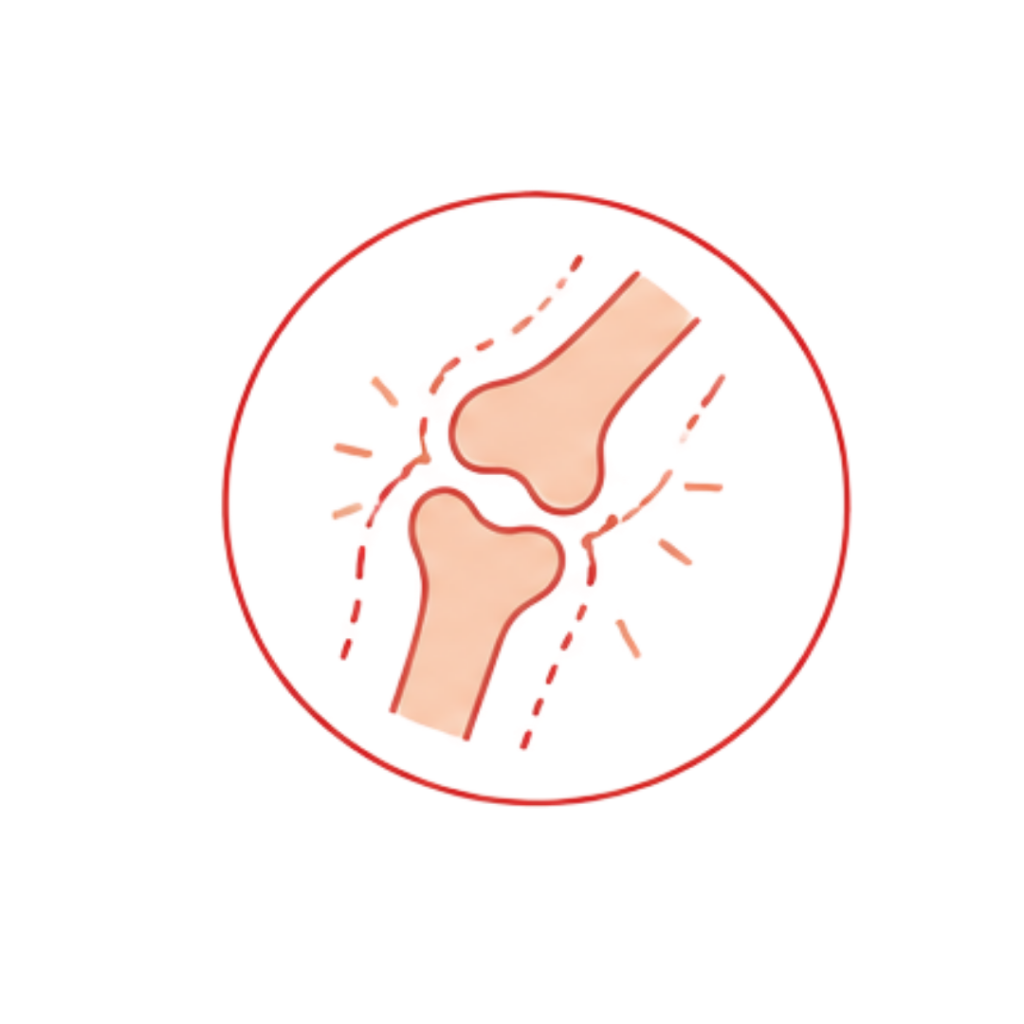
Hypermobility
Endometriosis patients are more likely to have hypermobility or hypermobile Ehler’s-Danlos syndrome, which puts them at greater risk of abnormal scar tissue formation
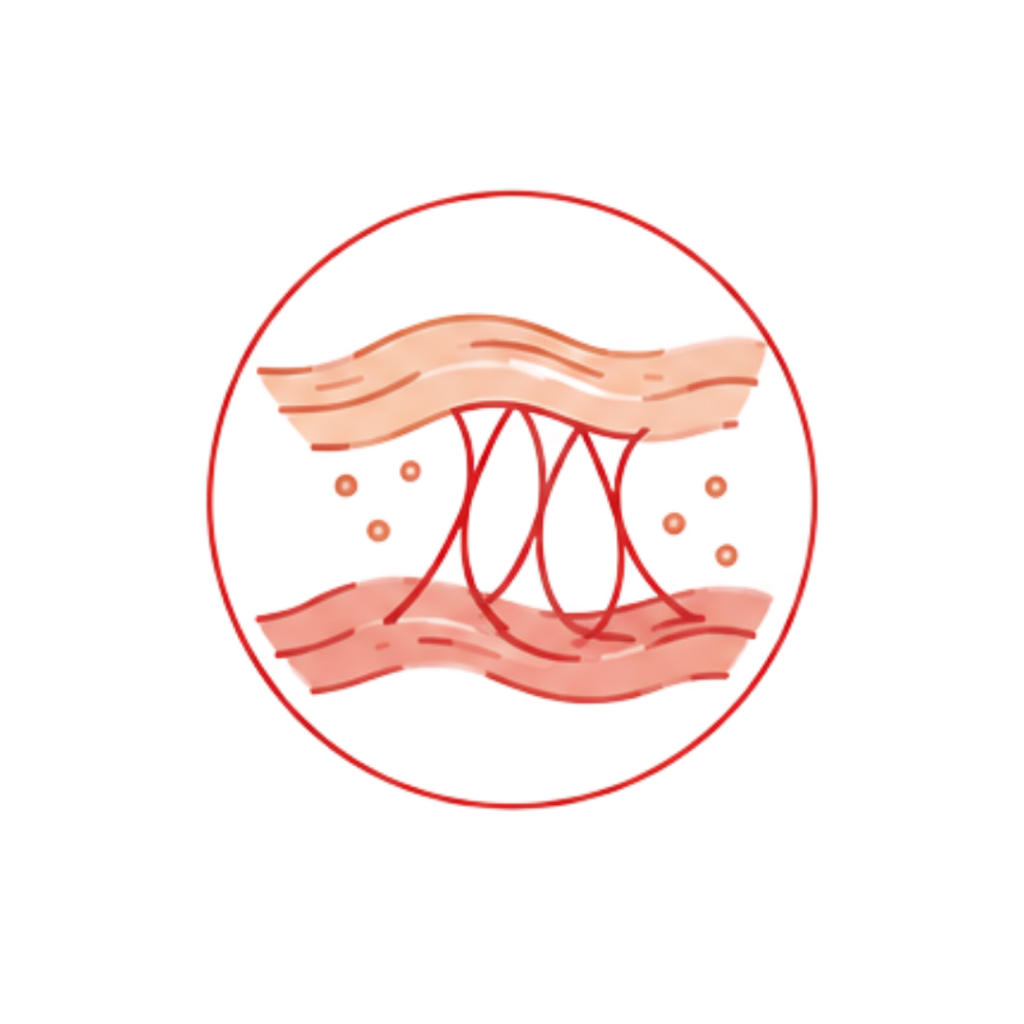
Adhesions
Adhesions occur in nearly all cases of abdominal surgery. One large study found that between 55% to 100% of women who had pelvic surgery developed adhesions, and up to 90% of people who had major abdominal surgery developed adhesions.
Mast Cells and Immunity
MCAS and immune dysregulation increase SIBO risk and alter how SIBO presents and responds to standard protocols.

POTS
Autonomic dysfunction profoundly alters gut function. POTS and endo cluster — and that changes the treatment picture entirely.
Applying a generic SIBO protocol to a client with endometriosis without accounting for these factors is likely to result in a poor treatment response, significant die-off reactions, and high relapse rates. This workshop is designed to help you understand those differences so you can tailor your approach and achieve better outcomes for your clients.

Addressing the gut isn't just symptom relief
It’s a core part of managing endometriosis itself. The bacterial toxins driving SIBO are also driving disease progression. Yet most practitioners — even highly skilled ones — have never been taught how to identify and effectively support clients dealing with both conditions. In this workshop, you’ll learn how these two conditions interact, where conventional approaches often fall short, and how to confidently work with this complex population.
FRIDAY, JUNE 5 | 9 AM - 2 PM ET
Registration closes June 4th!
This isn't incidental overlap. SIBO increases LPS (lipopolysaccharides) and bacterial toxins that are directly linked to endometriosis progression and symptom severity.
But here's what the research is telling us, and what most practitioners aren't seeing...
They've been told their gut symptoms are "just IBS." They've cycled through eliminations. They're losing trust in the process and in the system that keeps missing them.
If you work with endo clients...
...you already know the pattern. They come to you exhausted, bloated, in pain, and they've been handed a low-FODMAP sheet and sent on their way.
people with endometriosis are three times more likely to have IBS than those without
of endo patients experience gut symptoms - but only 7.6% have bowel lesions
of people with endometriosis have SIBO or IMO (intestinal methanogen overgrowth)
of IBS diagnoses are actually caused by SIBO — and most go undetected
Being prepared to help identify complex cases is your responsibility as a practitioner, even if you don't have the capacity to work with them long term.
You do not need to be an endometriosis specialist to benefit from this training. But you do need to know how to recognize complex cases, ask better questions, and understand when endometriosis and SIBO may be contributing to a client’s symptoms.
Endometriosis affects 1 in 10 people of reproductive age, and takes an average of 7-10 years to be diagnosed.
If you don’t consider yourself an endometriosis specialist...
...this still belongs in your clinical toolkit.
women of reproductive age have endometriosis
years is the average time to diagnosis
of people are initially misdiagnosed with something else
∞
clients in your practice right now you don't know have it
Four Parts. One Day.
Built for the Endo Population!
A structured progression — from the endo–gut connection through testing, treatment, alternative protocols, and relapse prevention. No watered-down basics in this workshop!
FRIDAY, JUNE 5 | 9 AM - 2 PM ET
Registration closes June 4th!
Part 1
Understanding the Endo-Gut Connection
- What endometriosis actually does to the gut
- The endo belly — what's driving it, and why it's not always food
- Why IBS, SIBO, and endo so frequently overlap — and what the data shows
- What is SIBO, and how does it present differently in this population?
- Root causes of SIBO — with a deep focus on what shows up most in endo clients
- Why the gut-connection matters for endo
Part 2
Testing & Treatment Frameworks
- SIBO testing: lactulose vs glucose vs fructose, common interpretation mistakes, and retesting
- Using FoodMarble for ongoing monitoring
- How to prepare your client and set realistic expectations
- Standard treatment options (antibiotics, antimicrobials, elemental diet) and how to tailor them for the endo population.
- Die-off prevention and management
Part 3
Alternative Approaches & Diet
- The probiotic-led protocol: studied strains, timelines, and when this is the better choice
- Pitfalls and case examples
- When and why dietary strategies are appropriate
- The key SIBO diets — and which are best studied for this specific population
Part 4
Symptom Management & Relapse Prevention
- Adjunct tools that work well in this demographic
- Endo and POTS/hypermobility-friendly movement approaches
- Relapse prevention: prokinetics, adhesion-focused bodywork, vagus nerve support, gut-directed hypnotherapy
- Microbiome rebuilding considerations specific to the endo population
This workshop is built for practitioners who've been cobbling this information together from a dozen sources and are ready for something more structured, more specific, and rooted in this population.
Is this for you?
This workshop is for you if:
- You work with women's health, gut health, nutrition, or health coaching clients
- You already have a basic understanding of endometriosis
- You are seeing gut symptoms in your endo clients and want to understand what's actually driving them
- You want a clear, evidence-informed framework — not just a list of supplements
- You want to know when to refer, when to support, and how to do both with confidence
This workshop is not for you if:
- You're looking for a certification or prescribing qualification
- You have no foundational nutrition or health background
- You want a generic SIBO course unrelated to endometriosis
Please note — this training does not qualify you to diagnose or prescribe medications for SIBO. Scope of practice is clearly discussed throughout.
Registration closes June 4th!
FRIDAY, JUNE 5 | 9 AM - 2 PM ET
You don't need to be a SIBO specialist.
You just need to want to stop guessing!
Meet Your Instructor
"I built this workshop because I kept seeing endo clients fall through the gap between gynae and gastro - and I couldn't find anywhere that put it all together!"
Jessica Duffin is a certified women’s health coach specialised in endometriosis and SIBO.
She has trained with some of the world’s leading experts on these conditions, including Dr Jessica Drummond, Dr Allison Siebecker and Dr Nirala Jacobi, and has worked with Endometriosis UK, Endometriosis Net and Endometriosis News.
Her journey began with her own endo and SIBO story, and she has gone on to dedicate the last thirteen years to working with and supporting the endometriosis community.
Her training in both SIBO and endo, and her experience in her own practice, has made her acutely aware of how challenging both these conditions can be for clients and practitioners - and why understanding the nuances and complexities of addressing them together is essential for meaningful, lasting results.
JESSICA DUFFIN

Frequently Asked Questions
Yes – clearly and throughout. You’ll leave with a solid understanding of what sits within your scope and how to navigate referrals effectively.
Your endo clients deserve more than "it's just IBS."
The research is clear. The gut–endo connection is real, it's significant, and it's treatable — when you know what you're looking at. This workshop gives you the clinical nuance to work with this population properly.
Registration closes June 4th!